The Lip-Sync Showdown: Finding the Best and Most Affordable Option
Finally, the comparisons are here! Many developers are faced with a variety of lip-sync APIs, each claiming to be the most premium and the best. What’s even more surprising is that the price of lip-sync APIs from different vendors can vary by up to 10 times.
So, which one is the best and most affordable? In this post, we’ll provide you with a few intuitive comparisons to help guide your decision.
Heygen vs. MakeFun.ai
Heygen is often considered a high-end option in the lip-sync community. While it offered some advantages a few years ago, its lip-sync quality has remained largely the same since then. Today, MakeFun offers the same high-quality lip-sync results as Heygen, but at 90% less cost—without any contract lock. Why not make the switch to MakeFun today?
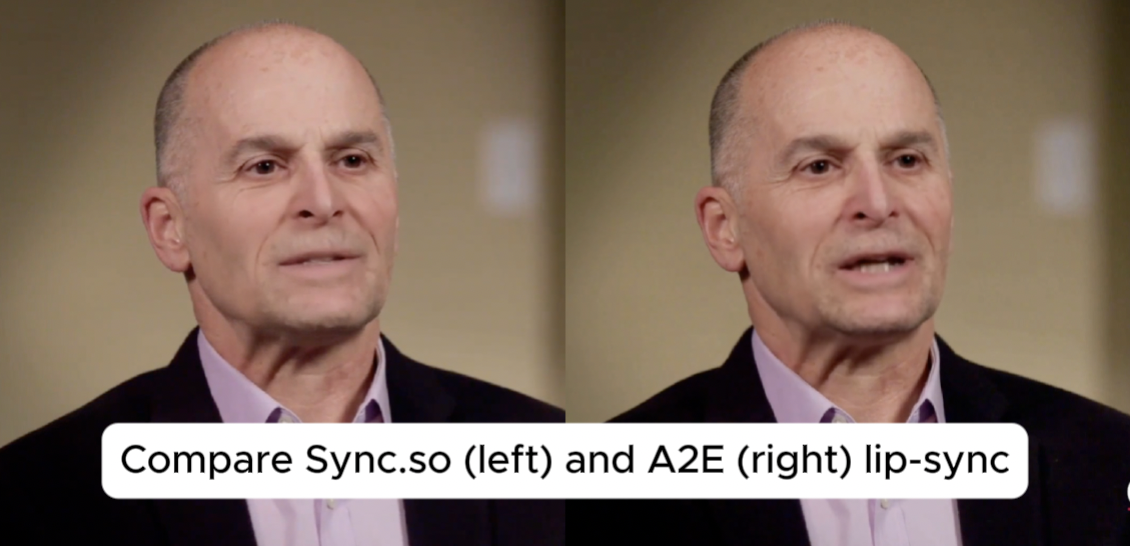
Sync.so vs. MakeFun.ai
Sync.so is considered one of the pioneers in lip-sync algorithms. However, after comparing it with MakeFun, it’s clear which one stands out. With just a few intuitive examples, you’ll easily see why MakeFun is the superior choice. Check out our beautifully documented API and get started today!
Sync-3 lip-sync API cost planner
Sources refreshed July 11, 2026. Sync lists sync-3 as its default lip-sync model for POST /v2/generate, with 95+ languages, native 4K face output, and billing tied to output frames. At a 25 fps baseline, the current Sync billing docs list lipsync-2 at $0.04-$0.05 per second, lipsync-2-pro at $0.067-$0.083 per second, and sync-3 at $0.107-$0.133 per second.
For a 15-second ad localization pass, compare the quality tier, output seconds or frames, and one review retry before adding TTS, dubbing, storage, hosting, moderation, or human review. For a 60-second support demo or a 5-minute training clip, keep lip-sync spend separate from voice cloning, avatar generation, localization batches, and post-production so the premium sync-3 tier is not mistaken for the full video budget.
Direct Sync API estimates should use the provider billing page or Estimate Cost API at edit time. Router paths such as Runware need separate confirmation with the model page or includeCost, because duration, batch size, safety checks, and failed-request rules can change the final task total.
- 15-second ad: seconds or frames, chosen Sync tier, one retry allowance, TTS or dubbing outside the lip-sync line.
- 60-second demo: direct API range, router cost confirmation, moderation and storage rows, reviewer time.
- 5-minute training clip: batch count, localization count, review loops, hosting, and source-refresh owner.
Related MakeFun workflows to validate before quoting a final budget: MakeFun 2nd Gen Lip-Sync API and Talking Video AI Lipsync.
Vidnoz.com vs. MakeFun.ai
Vidnoz is a leading provider of online video editing tools. One of its most popular features is the AI avatar with lip-sync capabilities. However, compared to MakeFun, the Vidnoz AI avatar exhibits slight inaccuracies in lip-sync synchronization and some blurriness in the mouth area.