Anthropic’s Claude Agent SDK billing change creates a practical planning question for creators, developers, and AI workflow teams: should agent automation run through a Claude subscription credit, a Claude Console API key, or a separate production API budget?
The timely detail is specific. Anthropic says Agent SDK usage through claude -p becomes available on Pro, Max, Team, and Enterprise plans starting June 15, 2026. The same support note says Claude Platform API-key accounts do not receive that credit, and pay-as-you-go billing continues as before. For Makefun-adjacent teams, that distinction matters because coding agents, content operations, video planning, prompt QA, and asset-pipeline scripts can consume tokens very differently from a normal chat session.
Why this belongs on a creator workflow roadmap
Claude Code is positioned as an agentic coding tool that works from a terminal, IDE, Slack, or the web. That makes it relevant beyond software engineering: the same pattern can maintain prompt libraries, rewrite batch captions, check landing-page copy, prepare campaign variants, or audit AI video API output before a creator exports final media.
The safest interpretation is not “free agents.” It is a routing choice. Interactive Claude Code work can fit within plan limits, while production jobs, scheduled workers, multi-user automation, and backend tool calls still need explicit API cost planning. Teams should separate experiments from repeatable workloads before moving agent scripts into daily content operations.
Cost and pricing comparison
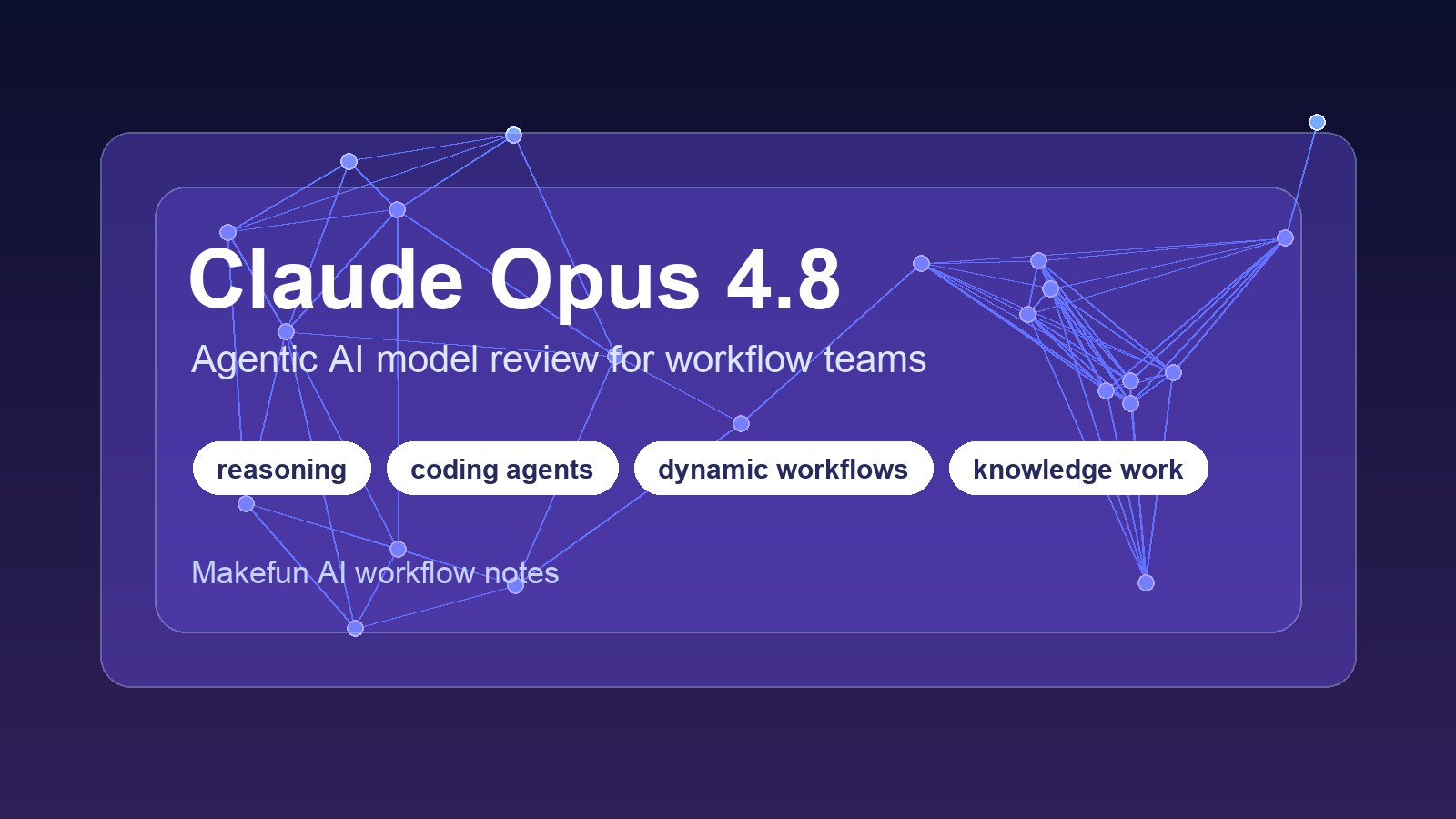
Anthropic’s official pricing page lists Claude Opus 4.8 at $5 per million input tokens, $25 per million output tokens, $6.25 per million 5-minute cache writes, $10 per million 1-hour cache writes, and $0.50 per million cache hits or refreshes. Claude Sonnet 4.6 is lower at $3 input and $15 output per million tokens, while Claude Haiku 4.5 is lower again at $1 input and $5 output per million tokens. Those same-family options are often more important than the plan name: a codebase-wide review with Opus can cost more than many Sonnet or Haiku cleanup passes.
For subscription users, the Agent SDK credit can make short experiments and local automations easier to justify. For API users, the main cost drivers remain output tokens, long context, repeated tool loops, failed command retries, cache write duration, cache hit rate, batch discounts, data-residency settings, fast or priority modes, and the amount of human review needed after the agent edits a real workflow. If the agent calls image, video, voice, storage, or search tools, those downstream fees should be tracked outside the language-model line item.
How Makefun teams should use the change
Use the plan-based Agent SDK path for drafting, repository inspection, QA scripts, prompt refactors, and one-off workflow experiments. Use API billing for jobs that need service accounts, predictable rate limits, shared production logs, backend triggers, or integration with video and media-generation systems.
A practical AI video team could start by letting Claude inspect a Makefun campaign brief, generate shot-list variants, compare prompt versions, and prepare API payload drafts. The production step should still go through an auditable pipeline such as Makefun’s AI video API, where model choice, retries, duration, storage, and final media delivery can be measured separately.
Internal linking opportunities
This topic pairs naturally with Makefun’s agentic video generator coverage and the earlier Claude Opus 4.8 review. The search intent is different enough to deserve its own post: this page is about Agent SDK access, plan-vs-API routing, and operational cost control rather than model quality alone.
Bottom line
The Claude Agent SDK pricing change is useful if teams treat it as a workflow design signal. Keep interactive agent work on the right Claude plan, keep production automation on explicit API accounting, and model the hidden costs before connecting agents to media-generation, review, or publishing systems.
Sources: Anthropic support on Agent SDK plan access, Claude Code product page, and Anthropic API pricing.