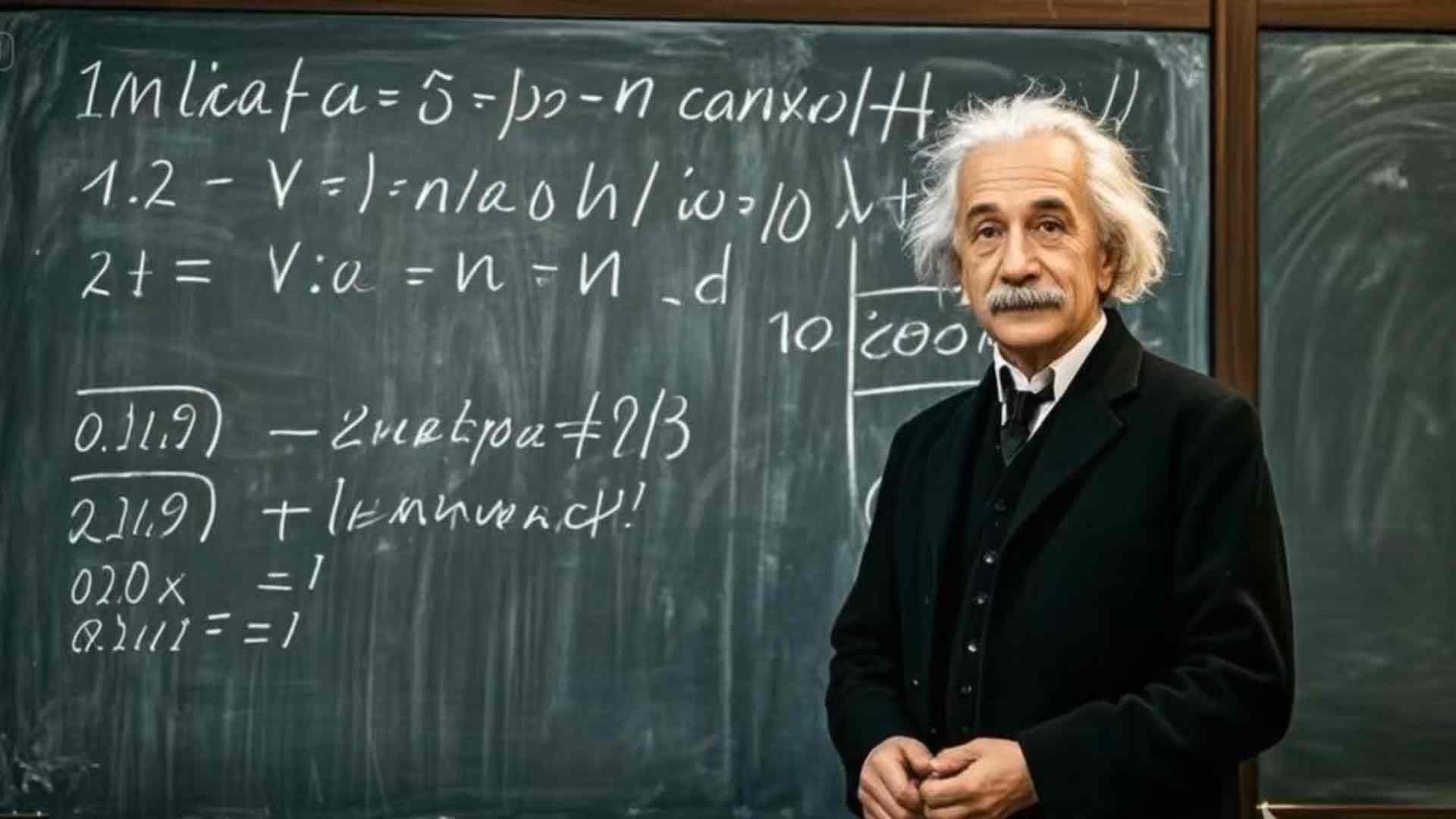
LongCat-Video-Avatar 1.5 is a fresh open-source avatar video release from Meituan’s LongCat team. For Makefun readers, the practical question is not whether every benchmark claim is final, but what this release says about the next layer of AI avatar video: audio-driven talking avatars, image-conditioned presenters, long-video stability, and deployable digital-human workflows.
Why LongCat-Video-Avatar 1.5 matters
The release is positioned around Audio-Text-to-Video, Audio-Text-Image-to-Video, and video continuation. That makes it especially relevant for creators comparing open avatar models with managed avatar production tools, because the model tries to handle more than a static talking head: speech rhythm, facial motion, body stability, speaker/listener behavior, and longer clips.
Those needs map directly to Makefun workflows such as AI avatar generators, talking video and lip-sync production, AI video creation, and AI avatar API integration.
What changed in version 1.5
- Audio understanding: the technical report describes a move to Whisper-large for stronger speech, rhythm, and multilingual prosody handling.
- Faster inference: the release emphasizes 8-step distilled inference, which matters for teams thinking about avatar video at production scale.
- Longer and more varied scenes: the model is framed around identity consistency, long-video stability, stylized subjects, and multi-person interaction.
- Open deployment path: model weights, code, and documentation make it a useful reference point for developers evaluating self-hosted avatar video.
How creators should evaluate it
LongCat-Video-Avatar 1.5 is best treated as a technical and market signal rather than a one-click replacement for every avatar workflow. Teams should compare output consistency, voice-language fit, render time, GPU requirements, safety controls, licensing, and editing workflow before deciding whether open-source avatar generation or a hosted Makefun-style pipeline is the better fit.
Where Makefun fits
Makefun is useful when the goal is to move from a model demo to a repeatable creative workflow: avatar generation, lip-sync video, image-to-video production, API access, and publish-ready creative assets can sit in one production path instead of requiring every team to self-host, tune, and maintain model infrastructure.
FAQ
Is LongCat-Video-Avatar 1.5 a talking-avatar model?
Yes. It targets audio-driven avatar and digital-human video generation, including workflows that combine speech, text, images, and video continuation.
Is it open source?
The current release is presented with open model resources and code, making it relevant for developers who want to test or self-host avatar video capabilities.
Should every creator self-host it?
No. Self-hosting can be valuable for technical teams, but many creators and marketing teams will still prefer managed workflows that package avatar generation, lip sync, editing, and publishing steps together.