As of June 5, 2026, a Replicate Deployments cost calculator should separate public model usage, official model unit pricing, fast-booting fine-tunes, and private deployment hardware time. The raw hardware row is only one part of the budget; setup time, idle time, active prediction time, min_instances, max_instances, queue depth, retries, QA, and Makefun media handoff all need their own worksheet rows.
The short answer: use Replicate public or official models when model-page estimates or output-unit pricing fit the workflow and latency is acceptable. Use private deployments only after budgeting selected hardware, setup seconds, idle seconds, active prediction seconds, warm instances, autoscaling caps, failed retries, monitoring, and permanent media handoff. Refresh Replicate pricing before quoting exact numbers.
Replicate pricing source snapshot
Publication-time checks reached the official Replicate pricing page, Deployments docs, model hardware docs, create deployment docs, and official models docs. Treat those pages as the source of truth for hardware rows, private deployment billing, autoscaling behavior, deployment settings, and output-unit model pricing.
| Replicate route | Use it when | Budget row to keep separate |
|---|---|---|
| Public models | The team can use a hosted model page or API without a private dedicated endpoint. | Model-specific estimate, runtime, failed attempts, QA, and source freshness. |
| Official models | An always-warm maintained model with predictable output units fits the workflow. | Output images, video seconds, tokens, or other current model-specific units. |
| Fast-booting fine-tunes | A fine-tuned route can avoid persistent warm deployment assumptions. | Active processing time, model-page caveats, cold-start tolerance, and retry share. |
| Private deployments | The workflow needs a private endpoint, hardware choice, warm latency, or custom model control. | Setup time, idle time, active processing time, min_instances, max_instances, and selected hardware price per second. |
| Makefun handoff | Generated image, video, custom model, or media metadata output must become publishable site content. | Permanent media storage, source verification, body links, editorial QA, and WordPress publication work. |
Private deployment hardware-second formula
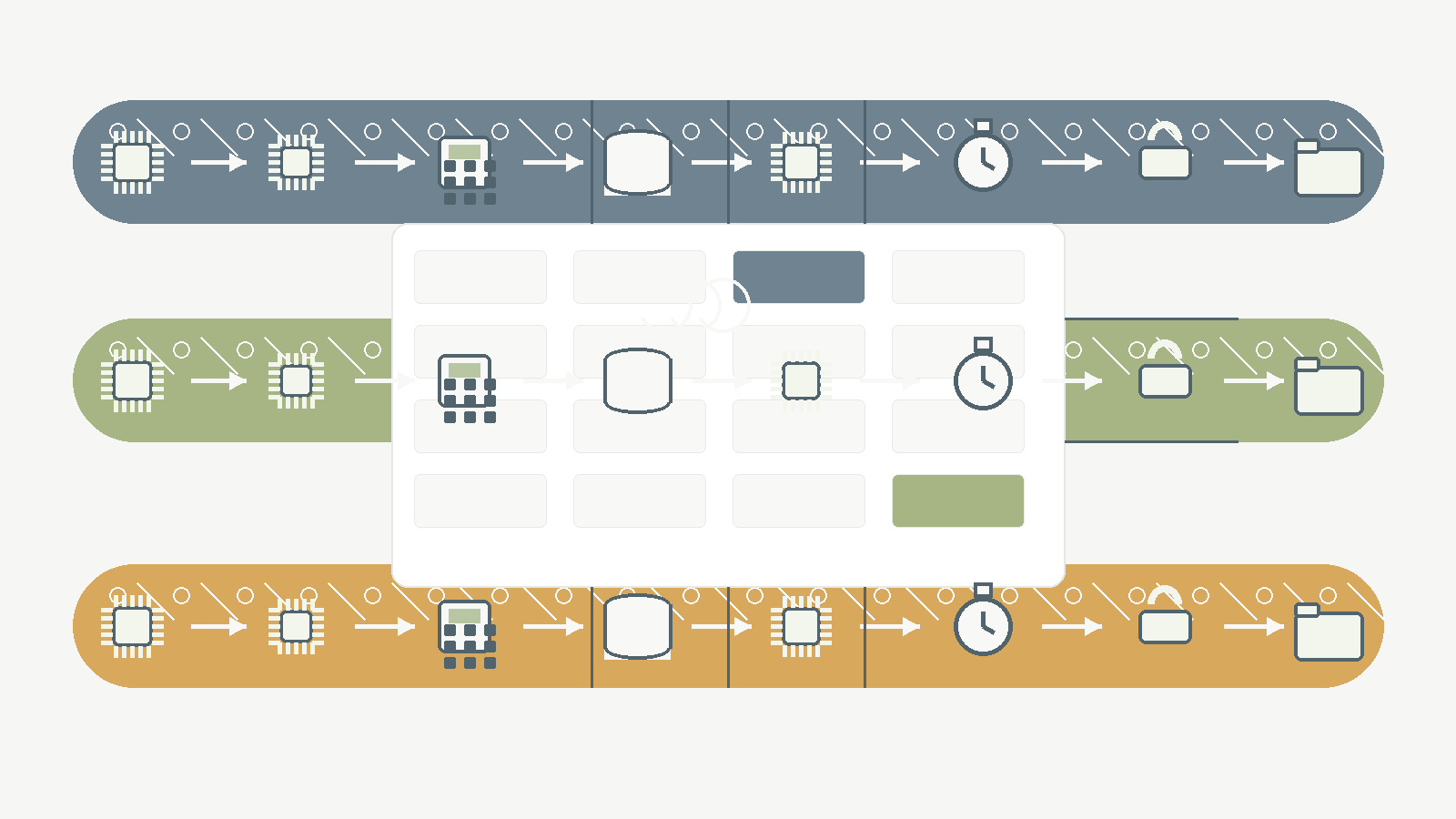
monthly_cost = hardware_sec_price * ((setup_seconds * deployment_cycles) + (idle_seconds * min_instances) + active_prediction_seconds + scale_up_seconds + retry_seconds) + monitoring + storage + QA + Makefun_publication_handoff
This formula deliberately keeps idle capacity visible. A minimum warm instance can reduce cold starts, but it also turns quiet hours into predictable spend. A maximum instance cap can control burst cost, but it may increase queue depth or latency if demand arrives faster than the deployment can process.
Worksheet 1: occasional public or official model use
A Makefun media team needs occasional image or video assets, prompt variants, or metadata checks. Start with the current public model page estimate or official model unit price, then add retry share, editorial review, permanent media storage, and WordPress handoff. Do not compare that directly with a private deployment unless the private route includes its idle and setup rows.
- Use output count, video seconds, token volume, or runtime only when the selected model page supports that unit.
- Keep failed generations and manual QA outside the vendor unit row.
- Use fal Video API Cost Router and Runware Video API Cost Router as adjacent media API comparison lanes, not same-intent duplicates.
Worksheet 2: one warm private deployment
A creator app keeps one private Replicate deployment warm for lower-latency custom image generation during campaign peaks. The worksheet should model the selected hardware price per second, setup time per deployment cycle, idle seconds from min_instances=1, active prediction seconds, peak scale-up time, failed retries, and monitoring review.
- Use min_instances=1 only when low-latency behavior is worth the idle bill.
- Use max_instances as both a cost cap and a queue-risk row.
- Compare with Runpod Serverless GPU Worker Idle Timeout Cost Calculator and Cerebrium Serverless GPU Cold Start Cost Calculator only after matching latency, hardware class, runtime, and review work.
Worksheet 3: scale-to-zero batch media or metadata work
A batch media metadata or custom model endpoint can set min_instances=0 when cold starts are acceptable. That may reduce idle spend, but setup time, queue delay, retry seconds, monitoring, output storage, and human review become more visible. The useful metric is cost per approved workflow result, not only hardware seconds.
- Separate setup seconds from active prediction seconds.
- Track queue depth and failed retries before deciding that scale-to-zero is cheaper in practice.
- Use Hugging Face Inference Providers Routed Request Cost Calculator as a provider-routing comparison, not a replacement for Replicate deployment math.
Autoscaling guardrail table
| Control | What it changes | Publisher-safe caveat |
|---|---|---|
| Selected hardware | Price per second, memory fit, runtime, and failure risk. | Refresh the current Replicate hardware row before quoting any number. |
| min_instances | Warm latency and idle spend. | Do not hide always-on cost inside per-prediction math. |
| max_instances | Burst capacity and cost ceiling. | A lower cap can protect spend while increasing queue depth. |
| Setup time | Cold-start and deployment-cycle cost. | Batch workflows can tolerate delay, but user-facing flows may not. |
| Retries and QA | Approved-output cost. | Failed outputs, source checks, and editorial review can exceed raw API spend. |
Makefun routing template
For Makefun-style image, video, custom model, media metadata, and SEO source-refresh work, start with the workflow outcome. If the job is occasional and latency-tolerant, public or official model pricing may be easier to govern. If the job needs a private endpoint or custom model control, private deployment math must include idle and setup time. If the job is bursty and custom, compare against serverless GPU lanes only when hardware, runtime, cold-start tolerance, queue depth, and QA are held constant.
Publisher checklist and caveats
- Refresh Replicate pricing and docs before any purchase decision.
- Do not claim Replicate is cheapest, fastest, more reliable, or safer than fal, Runware, Runpod, Cerebrium, Hugging Face, Nebius, Comfy Cloud, Venice, or self-hosted GPU without current same-scenario evidence.
- Separate public model, official model, fine-tune, and private deployment billing paths.
- Keep permanent media, WordPress publishing, internal links, and human QA outside the raw vendor price row.
FAQ
How should a Replicate deployment calculator start? Start with selected hardware price per second, then add setup seconds, idle seconds, active prediction seconds, min_instances, max_instances, retry share, monitoring, QA, and storage or publication handoff costs.
Are official models billed like private deployments? No. Official models are described as predictably priced by output units such as images, video seconds, or tokens, while most private deployments use dedicated hardware time that can include setup, idle, and active processing.
When is min_instances=1 worth it? It can be worth it when low latency matters enough to pay predictable idle spend. If the workflow is batchy and can tolerate cold starts, min_instances=0 plus queue and setup planning may be safer.