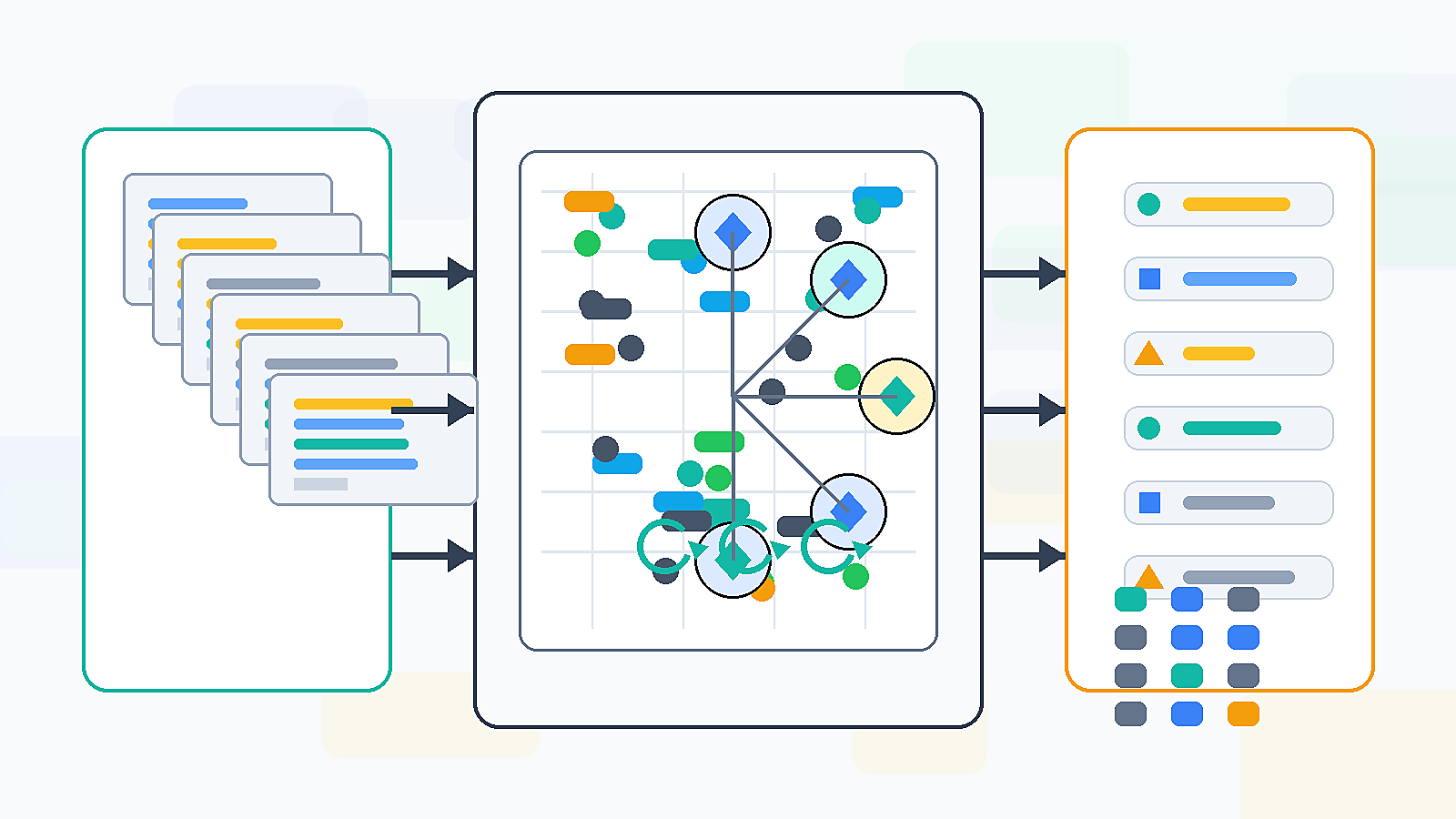
As of June 5, 2026, a LlamaParse credit cost calculator should start with the plan floor and credit rules, not a generic OCR price. Model included credits, pay-as-you-go caps, Fast, Cost Effective, Agentic, Agentic Plus, Auto Mode routing, smart result cache behavior, output options, concurrent parse jobs, retries, manual QA, and Makefun publication handoff as separate rows.
The short answer: LlamaParse cost depends on which pages need light parsing, which pages need agentic extraction, how often Auto Mode routes complex documents to higher-credit work, how many results are served from cache, and how much source verification happens after the parse. Refresh official pricing and tier docs before using the worksheet for a quote.

LlamaParse pricing source snapshot
Publisher checks reached the official LlamaIndex pricing page, LlamaParse pricing and credits docs, parse tier guide, and getting started docs. The older billing-and-usage URL in the queue package returned 404 during publication checks, so this article does not cite it or make billing-control claims from it.
| Worksheet row | Current planning input | Makefun caveat |
|---|---|---|
| Plan floor | Use the current LlamaIndex plan page for Free, Starter, Pro, Enterprise, included credits, pay-as-you-go caps, concurrent parse jobs, output formats, file types, and credit conversion. | Do not reuse old plan rows without a fresh source check. |
| Parse tier mix | Model Fast, Cost Effective, Agentic, Agentic Plus, and Auto Mode as separate routing rows. | Do not claim Auto Mode is cheaper, better, or more accurate without same-document evidence. |
| Cache behavior | Track repeated-file cache hit share separately from new-file parsing. | Cache assumptions can fail when source files, settings, or timing change. |
| Output expansion | Add rows for markdown, structured output, tables, charts, annotated PDFs, screenshots, and downstream processing when relevant. | Keep downstream LLM summarization and editorial review outside the LlamaParse credit line. |
| Operational QA | Budget retries, polling, webhook handling, failed jobs, source licensing checks, and human verification. | These are Makefun-side costs even when vendor credit rows are clear. |
Cost formula for a LlamaParse worksheet
monthly_cost = plan_base_fee + max(required_credits - included_credits, 0) * current_credit_rate + auto_mode_complex_pages + agentic_pages + output_addons + cache_miss_reparse + retry_polling_ops + source_QA + downstream_LLM_tokens + editor_publication_handoff
The formula is deliberately conservative. It separates vendor credits from Makefun labor so a document parsing workflow does not hide manual source checks, table cleanup, body-link verification, media production, and WordPress publication time inside a single per-page estimate.
Worksheet 1: Makefun pricing-source refresh
A Makefun SEO workflow parses official pricing pages, docs, changelogs, screenshots, support exports, and public PDFs before updating a calculator article.
- Use monthly document pages as the same-unit row, then split simple docs from dense tables, charts, scanned PDFs, and mixed-layout pages.
- Route simple documents through lower-complexity rows and reserve Agentic or Agentic Plus rows for pages where structure extraction materially changes the result.
- Track cache hit share separately for repeated source PDFs or unchanged pricing documents.
- Keep manual verification of prices, table units, support caveats, and publication evidence as its own Makefun cost row.
Worksheet 2: Document-agent ingestion
A document agent ingests onboarding PDFs, help-center exports, invoices, contracts, forms, benchmark reports, and media transcripts before passing structured evidence to a RAG or support workflow.
- Use page volume, file type, table density, chart density, and extraction target as the first planning inputs.
- Model Auto Mode only when the batch mixes easy pages and complex pages; otherwise pick the tier explicitly and record why.
- Add rows for downstream embedding, retrieval, reranking, summarization, human review, and stale-source cleanup.
- Do not compare LlamaParse with OCR APIs unless the workflow includes the same extraction depth, table handling, cache behavior, output structure, and QA burden.
Same-use comparison rows
| Alternative | Compare only when the job matches | Do not claim |
|---|---|---|
| Unstructured, Google Document AI, Amazon Textract | Document extraction, table or form parsing, OCR-heavy source refresh, and structured document ingestion. | That any row is universally cheaper, more accurate, or more secure. |
| Managed RAG or assistant file stores | When parsing output immediately feeds retrieval, source-library storage, or assistant context workflows. | That ingestion cost is the full RAG or assistant bill. |
| Search, crawl, and monitoring APIs | When the workflow starts with source discovery before document parsing. | That search-result collection is the same as durable document extraction. |
| Self-hosted parsing | When infrastructure, model choice, QA, and support burden are already owned by the team. | That self-hosting removes review, retry, privacy, or compliance work. |
Verified Makefun links
- Ragie Managed RAG Connector MCP Cost Calculator
- Pinecone Assistant Context Token RAG Cost Calculator
- Cohere Rerank Model Vault Private Search Cost Calculator
- Brave Search API LLM Context Answers Cost Calculator
- MediaLayer Match API Search Processing Cost Calculator
- Mistral Search Toolkit AI Retrieval Workflow
- Requesty AI Gateway Cache Routing Cost Calculator
Cost-control checklist
- Refresh LlamaIndex pricing, LlamaParse credit rules, parse tiers, cache behavior, output options, and supported file types before publication or procurement.
- Split plan floor, included credits, pay-as-you-go credits, parse tier mix, cache misses, and output add-ons into separate rows.
- Reserve Agentic and Agentic Plus rows for documents whose structure requires that workflow.
- Track failed jobs, polling, webhooks, retry handling, and human review outside vendor credit spend.
- Exclude stale or failed sources from numeric rows; this publication excluded the 404 billing URL and the failed Mistral pricing refresh.
Publisher checklist and caveats
The Publisher gate checked target URL, WordPress search, sitemap overlap, official source reachability, verified body links, category blog id 2, top-level Yoast fields, real subagent audits, and a unique permanent featured image before creating this post. The article avoids cheapest, best, accuracy, security, privacy, compliance, guaranteed savings, and performance claims because those require current same-scenario evidence.
FAQ
How should a LlamaParse cost calculator start? Start with plan tier, included credits, current credit conversion, monthly pages, parse tier mix, Auto Mode routing, cache hit share, output options, retries, and human QA.
When does Auto Mode matter? Auto Mode matters when a document batch mixes simple pages with complex tables, charts, scans, or layout-heavy sources. Model routed page share rather than assuming savings.
Is LlamaParse directly comparable with OCR APIs? Only for the same document workflow. Compare extraction depth, output structure, cache behavior, retries, downstream retrieval, and review time beside page or credit pricing.